Best Time To Visit Traverse City Wineries: A Month-By-Month Guide
October is the busiest tasting month around Traverse City, but the honest answer to the best time to visit depends on what you want: harvest energy, quiet winter rooms, or an evening sunset run.
Short answer
Harvest runs mid to late September through October, and October is the busiest month in the tasting rooms because fall colour overlaps with crush. Ice wine is picked frozen from late December into January. There is no official peak-colour date range, and any article printing one is inventing it.
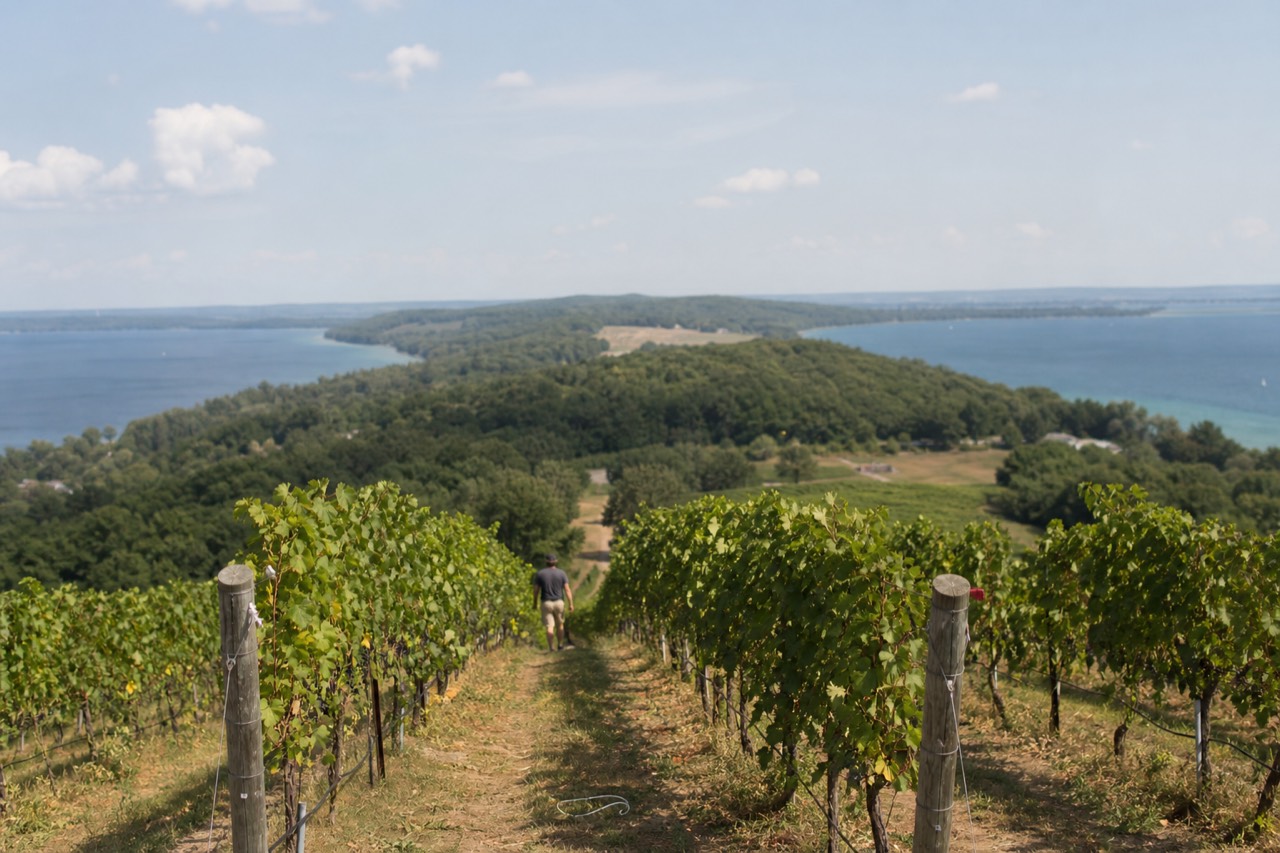
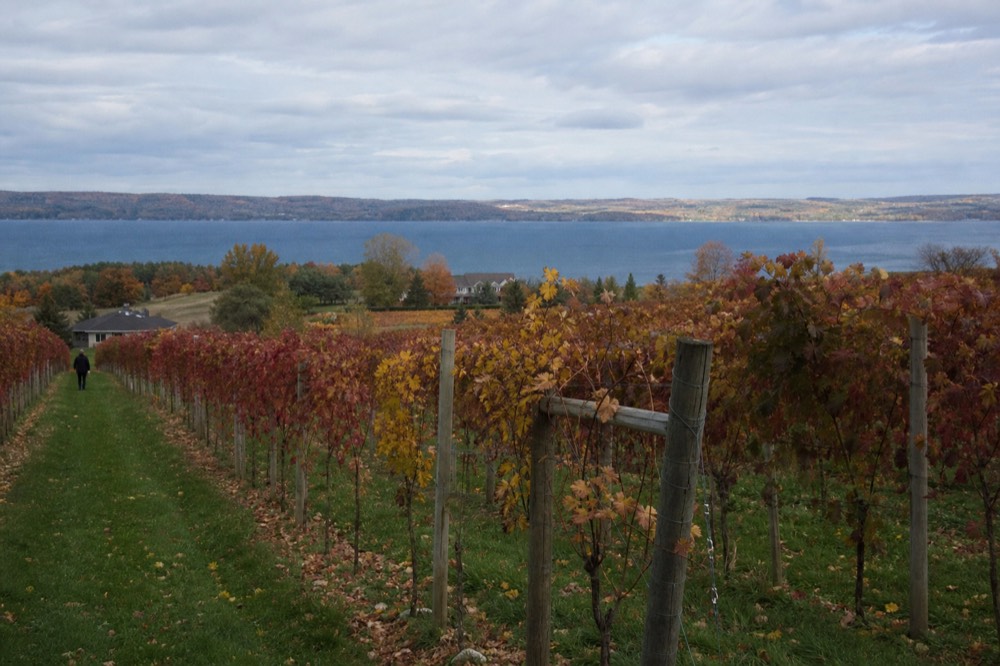
October fills the tasting rooms of both peninsulas. Harvest runs mid to late September through October around Traverse City, and by October the wineries are pouring through the busiest weeks of their year while the vineyards turn colour outside. That single overlap, crush plus autumn leaves, is why almost every visitor asks the same question, and why almost every answer you will read online is partly invented.
This guide answers it with only what can be checked. Two facts anchor everything: tasting rooms are busiest in October, and ice wine is genuinely made here, picked frozen from late December into January. One honest negative matters just as much: there is no official peak-colour date range for the Traverse City area, and this page will not print one. Competing articles that promise "peak colour the second week of October" are making it up.
What Time Of Year Is Best For Wine Tours?
The best time of year for wine tours around Traverse City is late September through October if you want harvest energy and full tasting-room hours, and January through March if you want quiet rooms and the chance to taste ice wine at the source. Between those poles, the summer months deliver the most reliable weather and the sunset tours, while late spring shows the vines at their greenest with the smallest crowds. No single month wins on every measure, and the trade-offs are laid out below.
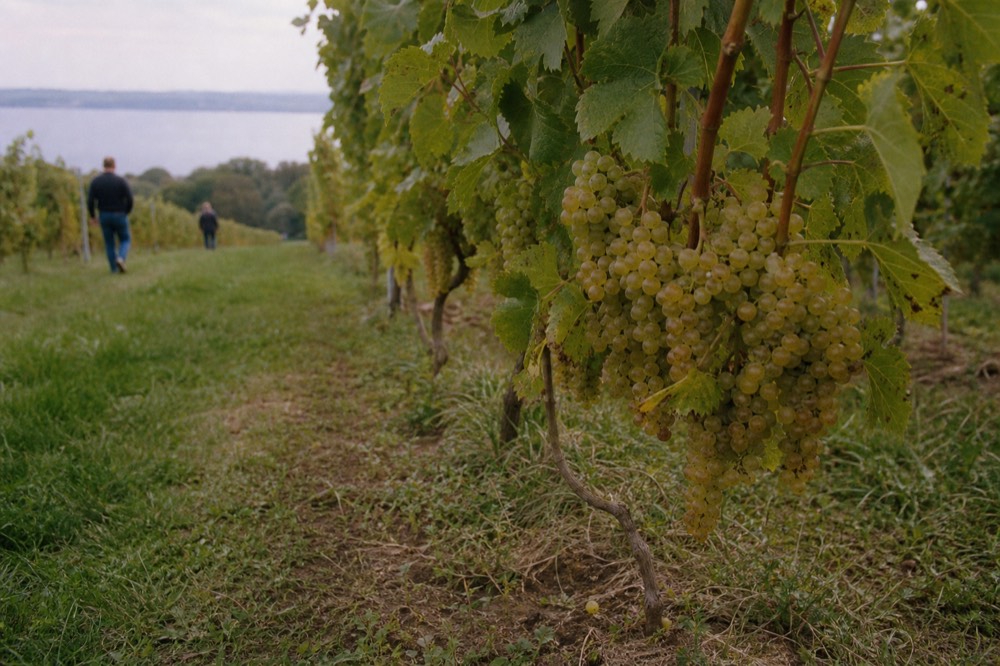
The reason the calendar matters so much here is latitude. Traverse City sits on the 45th parallel, and Lake Michigan moderates the air enough to let vinifera grapes ripen at all. The same water that extends the growing season also stretches the autumn: bay air keeps the peninsulas warmer later than inland Michigan, so their colour often lingers toward the end of October even when the rest of the northern Lower Peninsula has gone bare.
That bay effect is also why the busiest month is not necessarily the most beautiful one. A late-October visit can catch colour that an early-October visitor missed, but it can also catch tasting rooms winding down hours or a first hard frost. If you want to plan around colour specifically, read our companion piece on the Traverse City fall colour route, which handles the forecasts honestly rather than promising a date.
What Is The Best Time Of Year For A Wine Tour?
For most first-time visitors the best single time for a wine tour is late September into early October: harvest is running, every tasting room is open, and the crowds have not yet peaked the way they do once the colour draws weekend traffic. If your priority is price and elbow room rather than spectacle, the winter months offer the slowest rooms and the deepest conversations with pouring staff, and the ice wine made here is a genuine reason to go.
Here is the month-by-month picture, built from what the vineyard and the tasting rooms are actually doing. Use it to match the month to what you want from the day.
| Month | Vineyard | Tasting rooms | What a tour day feels like |
|---|---|---|---|
| January | Ice wine picking, late December into January, frozen fruit | Quietest of the year | Slow pours, staff with time to talk, snow on the vines |
| February | Vines dormant under snow | Quiet, some reduced hours | Cozy rooms, fireplaces, the deepest discounts on bottles |
| March | Dormant, pruning begins | Quiet, winter passes and events | Last quiet month before the spring thaw |
| April | Pruning, freeze risk for other crops | Quiet | Unpredictable weather, few visitors |
| May | Bud break, blossoms on the peninsula | Shoulder season | Green returns, mild crowds |
| June | Early shoot growth, developing more slowly than southwest Michigan | Building | Pleasant, long daylight, comfortable rooms |
| July | Canopy growth | Busy with summer travel | Full hours, festival traffic in town |
| August | Veraison, grapes begin to colour | Busy, warm | Warmest month, book morning or sunset slots |
| September | Harvest begins mid to late month, sparkling base fruit first | Busy, harvest energy | Crush visible at some stops, excitement in the rooms |
| October | Whites and reds picked, Riesling latest, peak colour | Busiest month of the year | Full rooms, full colour, book everything ahead |
| November | Harvest finished, vines browning | Quieter, trail events | Calm rooms, late colour on the peninsulas |
| December | Ice wine fruit left on the vine | Quiet, holiday events | Festive rooms, first freeze anticipation |
The September row deserves a note. Harvest does not start everywhere at once: sparkling base fruit comes off first, then whites and reds, with Riesling picked latest. A mid-September visitor may see nothing being picked yet, while a mid-October visitor may still catch late Riesling coming in. Harvest is a window, not a switch.
If you already know your month, the tour format matters as much as the date. The two five-hour peninsula loops and the sunset run cover the three most popular shapes of day:
Why Is October The Busiest Month, And Is It The Best One?
October is the busiest tasting month because harvest and peak fall colour land in the same few weeks, drawing both wine travellers and leaf-peepers into the same rooms at the same time, but the best month depends on what you are optimizing for: October wins on spectacle, September on energy with fewer people, and winter on access and price. The busiest month and the best month are simply not the same thing.
The trade-off is worth spelling out, because most articles flatten it into "go in fall." Here is what you actually gain and give up:
| You want | Best window | What you trade |
|---|---|---|
| Peak colour and full atmosphere | October | Biggest crowds, highest lodging rates, booked-out tours |
| Harvest energy without peak crowds | Mid to late September | Colour not fully turned, weather less settled |
| Cheapest, quietest tasting | January to March | Shorter days, some reduced hours, no colour |
| Best weather for patios and views | July and August | Summer crowds in town, warmest tasting rooms |
| Ice wine at the source | Late December into January | Cold, limited schedule, small pours at premium prices |
| Long evening light | June through August | Busiest rooms of the summer half of the year |
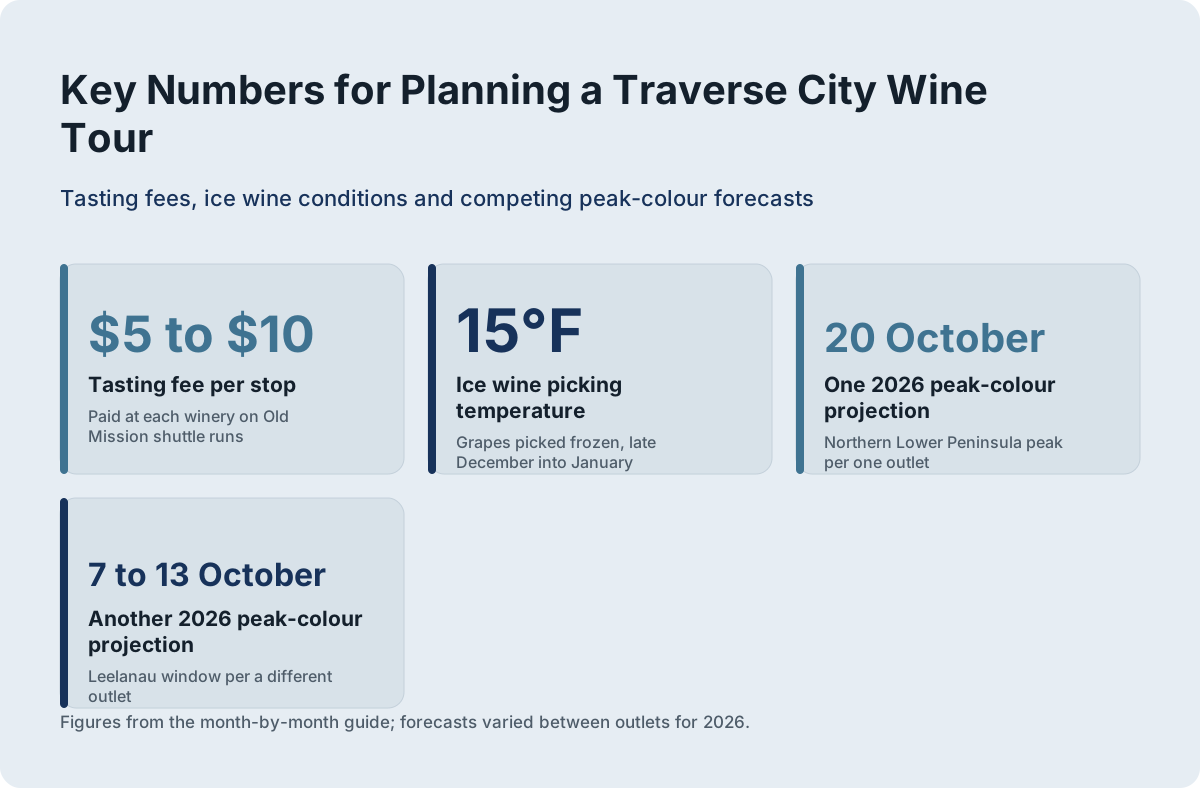
One honest point no competing page will make: there is no official peak-colour date range for this region, and anyone printing one is guessing. Forecasts for 2026 themselves disagreed, with one outlet projecting a northern Lower Peninsula peak around 20 October and another a Leelanau window of 7 to 13 October, while Traverse City Tourism's own guidance says early to mid October with the peninsulas lingering later because the bay moderates the air. That disagreement is the truth of the matter: give yourself a window, not a date.
If October is your month, book early and plan the logistics properly. The shared shuttle tours fill first on colour weekends, and lodging in Traverse City itself runs at its highest rates then. Our October in Traverse City planning guide covers the lodging seasonality with real numbers rather than impressions.
What Happens In The Vineyard In September And October?
Harvest around Traverse City runs mid to late September through October, with sparkling base fruit picked first, then whites and reds, and Riesling coming off last, which means a tour in either month can genuinely catch crush in progress at some wineries. The 2026 season shaped up well: in early August, northern Michigan growers on Leelanau and Old Mission were expecting a strong harvest, with vines tracking near the 36-year average for heat accumulation.
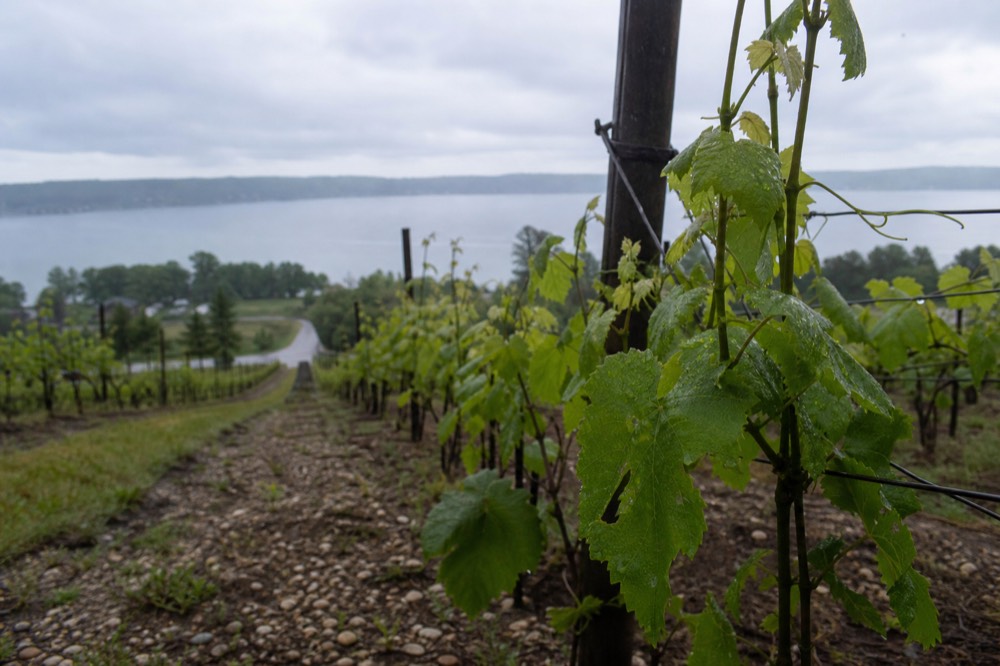
The growing season starts far earlier than the tasting calendar, and the sequence is worth knowing if you like seeing the vines at a particular stage. An MSU Extension grape scouting report dated 3 June 2026 put the northern regions, Old Mission and Leelanau included, in early shoot growth, developing more slowly than southwest Michigan. By August the fruit is colouring, and by mid to late September the first picks begin. The MSU Extension scouting report is the primary agricultural source for that read, and it is the kind of document almost no travel article bothers to consult.
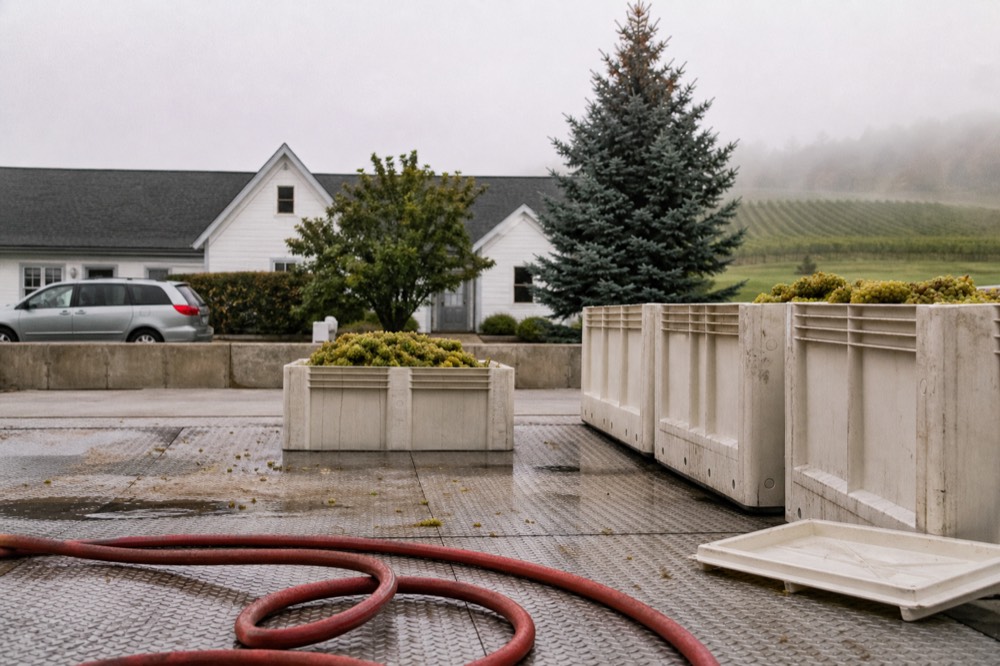
A harvest-month tour has a texture no other month offers. Trucks of fruit on the peninsula roads, the smell of fermentation in the wineries that crush on site, staff pouring the just-released vintage while the next one sits in the tanks behind them. The five-hour Leelanau loop is a good harvest-month choice because it reaches three estates with appointments arranged ahead, which matters most when rooms are busy:
The appointment detail is worth pausing on. On that tour, stops are arranged ahead with each winery, so a busy October Saturday does not leave your group standing at a full bar. On the Old Mission shuttle runs the same structure applies, and tasting fees of roughly $5 to $10 per stop are paid at each winery rather than in the ticket. For a fuller comparison of what each ticket includes, see our Traverse City wine tour prices guide.
Is Winter Actually A Good Time For Wine Tasting?
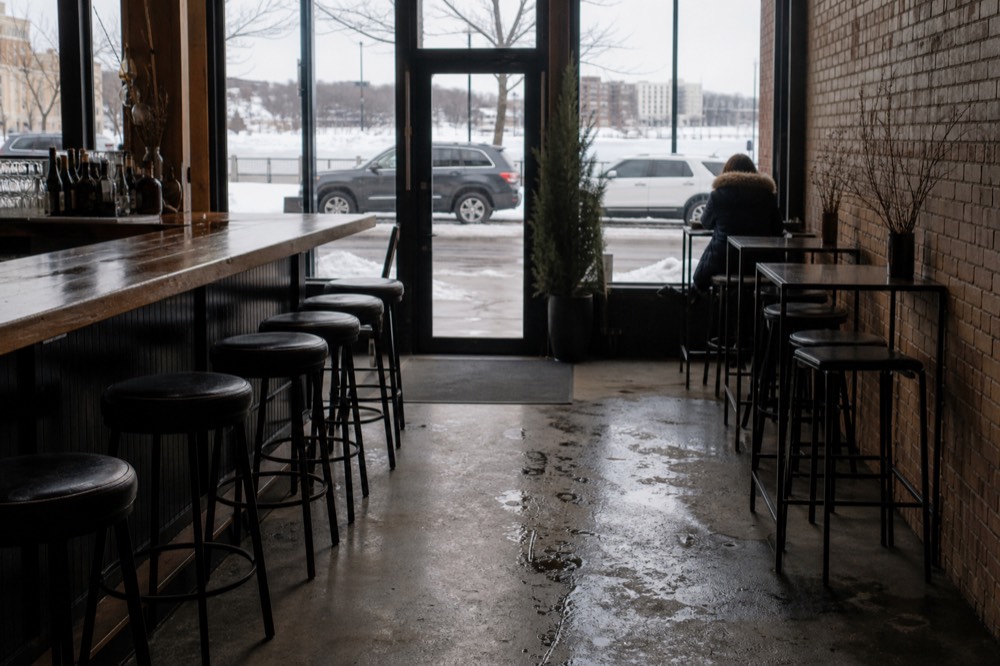
Winter is the most underrated tasting season around Traverse City: the rooms are at their quietest, the staff have time to talk, and it is the only season when you can taste genuine ice wine, picked frozen on the peninsula from late December into January, at the wineries that make it. The trade is shorter days, colder drives and reduced hours at some stops.
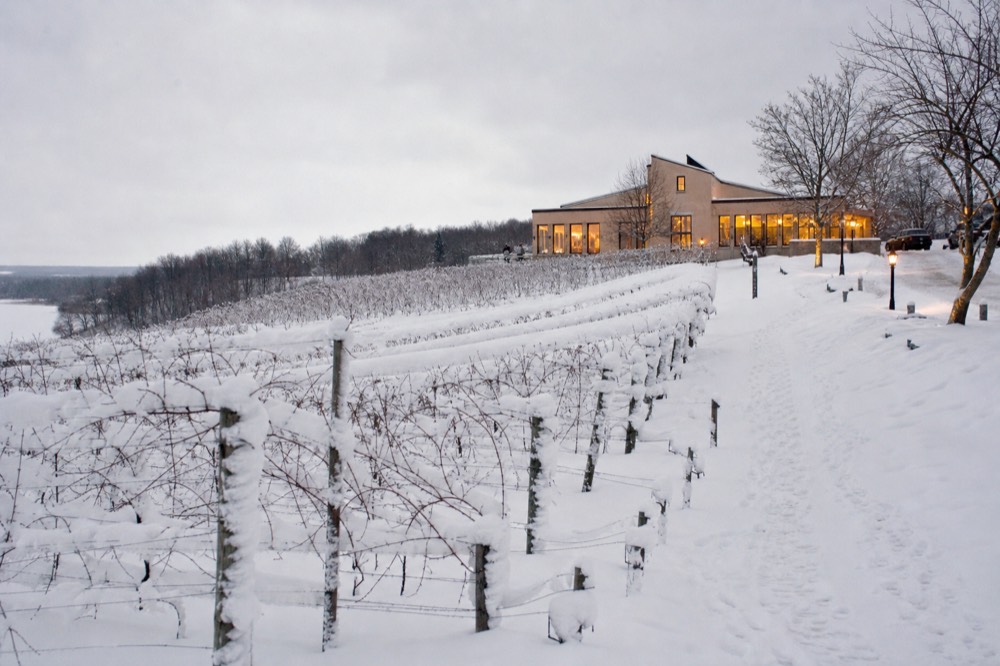
Ice wine is not a marketing name here, it is a harvest method. Grapes are left on the vine and picked frozen, typically late December into January when temperatures drop to around 15°F, and the pressed juice comes out concentrated and sweet. Chateau Chantal on Old Mission Peninsula held its Ice Wine Festival on 31 January 2026, with ice wine tastings, fire pits, snowshoeing, winery tours and a ticketed Fire and Ice dinner, an annual late-January event worth building a weekend around.
Winter also has its own tour formats. Snowshoe, Wine and Brew tours on Old Mission ran every Sunday from 4 January to 8 March 2026, starting at Jolly Pumpkin and combining snowshoeing with winery and brewery tastings. The format proves the winter season here is real, not a shut-down. Our dedicated winter wine tasting guide goes deeper on what stays open.
The trails lean into the quiet months too. The Leelanau Peninsula Wine Trail's Toast the Season ran over two weekends in 2026, 6 to 8 November and 13 to 15 November, Friday through Sunday, with small pours, food pairings and cork cash at participating wineries, per the trail's own events page. Events like that are how the wineries fill the shoulder season, and they are how a value-minded visitor should too.
Which Tour Format Fits Which Season?
Sunset tours fit the long evenings of June through August, the five-hour peninsula loops fit the busy harvest and colour months because appointments and structure absorb the crowds, and private or small-vehicle formats fit winter when you want flexibility around shorter days. Matching the format to the season matters more here than in most wine regions, because the weather swing from July to January is enormous.
The sunset format is the clearest seasonal case. The 4-Hour Traverse City Sunset Wine Tour visits three Old Mission wineries in the evening, from $74 per person, rated 4.9 across 261 reviews, and its whole appeal depends on late daylight, which means it belongs to the summer half of the year. In deep December the same tour would start in the dark. Our sunset wine tours guide covers the format in detail.
The shared five-hour loops, by contrast, are year-round workhorses. The Old Mission four-winery tour runs from $79 per person, rated 4.9 across 2,666 reviews, and its structure, four stops over five hours with appointments handled, holds up whether the vines are bare or in full colour. It is the related tour for this page for exactly that reason: it is the format least dependent on picking the perfect week.
Here is how the main formats on the roster map onto the seasons:
| Tour format | Best season | Why the season fits |
|---|---|---|
| Sunset three-winery loop, 4 hours | June to August | Depends entirely on late daylight for the evening stops |
| Shared five-hour Old Mission loop | September to November | Fixed structure and appointments absorb the colour-month crowds |
| Shared five-hour Leelanau loop | September to October | Three estates with appointments arranged ahead at harvest time |
| Semi-private SUV tours, 4 to 5 hours | Year-round | Smaller vehicle, air conditioning in summer, flexibility in winter |
| Private group tours | Winter and shoulder months | Set your own pace when rooms are quiet and hours shorter |
| Brewery and distillery runs | Winter | Indoor stops, formats that ran Sundays through the cold months |
For the trade-offs between the two peninsulas themselves, which also shift with the season, read Old Mission vs Leelanau. Leelanau is the larger and older AVA, established 30 March 1982, with its trail listing 23 member wineries, while Old Mission, established 8 June 1987, is the narrower, closer loop with ten wineries on its trail map. In winter, the shorter Old Mission drive matters more.
How Should You Plan Around Crowds And Booking?
Book any shared tour at least several weeks ahead for October weekends, book lodging before you book the tour because colour-season rooms go first, and treat midweek September or November as the value play that keeps the same wineries at half the crowd. The busiest month rewards planners and punishes improvisers, and the quiet months reward exactly the opposite.
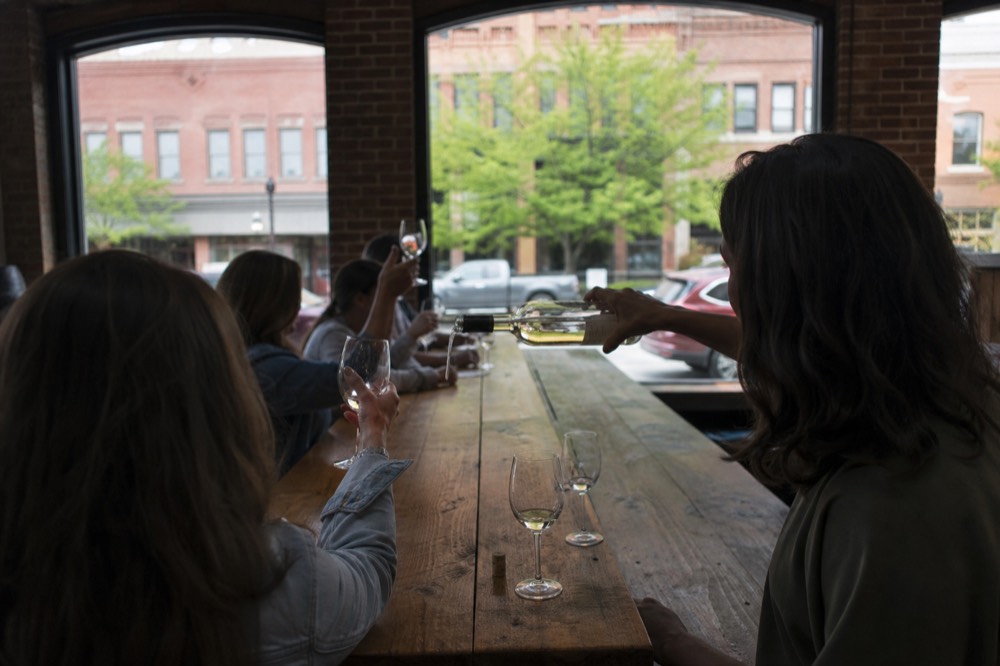
A few practical notes that hold in every season. Tasting fees are separate from the ticket on the shared shuttle tours, generally $5 to $10 per tasting on Old Mission and $5 to $15 on Leelanau, so budget the bar money on top of the fare. Every wine tour in the region states it is not suitable for under-21s, matching Michigan's drinking age. And if you are weighing a self-drive day instead, our self-guided wine tour guide and the wine country on a budget page cover the arithmetic, including why a hired designated driver in your own car is legally different from a chartered shuttle under Michigan's open-container law.
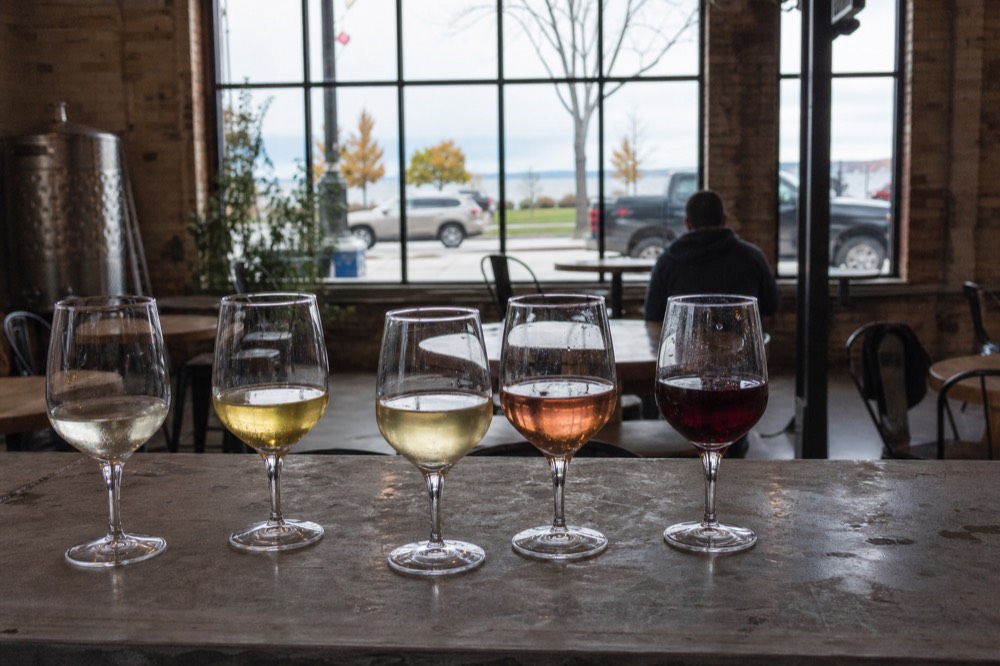
Here is a rough booking-lead-time picture by season, expressed as planning ranges rather than promises:
| Season | Shared tour booking | Lodging | Tasting-room waits |
|---|---|---|---|
| October weekends | Book weeks ahead | Book first, tour second | Longest of the year at popular stops |
| Midweek September | A week or two ahead | Moderate | Moderate, harvest energy in the rooms |
| July and August | One to two weeks ahead | High summer rates | Moderate to busy |
| November trail-event weekends | A week or so ahead | Value season | Busy only at event wineries |
| January to March | Days ahead is usually fine | Lowest rates of the year | Minimal, walk-ins mostly fine |
The single most useful planning habit is to pick your priority before you pick your month. Decide whether the trip is about colour, harvest, quiet rooms, warm patios or ice wine, and the calendar above answers itself. And whatever you do, do not build the trip around a peak-colour date you read somewhere: no official range exists, the forecasts disagree with each other, and the bay-moderated peninsulas hold their colour later than the inland areas anyway. A window beats a date every time. For everything else on planning a day in this region, Traverse City Wine Tours keeps the full set of guides and tour comparisons in one place.
Whatever month you land on, the three most popular formats are easy to compare side by side:
The short answers: late September through October for harvest and colour, January through March for quiet rooms and ice wine, and midweek September or November for the same wineries with fewer people. Harvest runs mid to late September through October, October is the busiest tasting month, ice wine is picked from late December into January, and no official peak-colour date range exists for this region, so plan around a window rather than a date.
Common Questions About The Best Time For Wine Tasting
What time of year is best for wine tours?
Late September through October, when harvest is running and every tasting room is at full hours. If you would rather avoid the October crowds, mid to late September keeps the harvest energy with fewer visitors, and January through March offers the quietest rooms plus the chance to taste ice wine at the source.
What is the best time of year for a wine tour?
For most first-time visitors, late September into early October: harvest is underway, the rooms are fully open, and the colour crowds have not yet peaked. Book the tour and lodging early for October weekends, or choose midweek September for a calmer version of the same experience.
When is harvest at Traverse City wineries?
Harvest runs mid to late September through October. Sparkling base fruit is picked first, then whites and reds, with Riesling coming off last, so what you see being picked depends on which part of the window you visit.
When is ice wine made around Traverse City?
Ice wine grapes are left on the vine and picked frozen, typically from late December into January when temperatures reach about 15°F. Chateau Chantal on Old Mission Peninsula holds its Ice Wine Festival in late January as an annual event.
Is there an official peak fall colour date for Traverse City?
No. There is no official peak-colour date range for the region, and forecasts for 2026 disagreed with one another. Traverse City Tourism's guidance is early to mid October, with the peninsulas holding colour later than inland areas because the bay moderates the air. Plan around a window, not a date.
Are tasting rooms open in winter?
Yes, with reduced hours at some wineries. Winter is the quietest season, the trails run events such as Toast the Season in November, and snowshoe-and-wine formats have run on Old Mission on Sundays through the winter months.