Can You Wear Jeans To A Wine Tour?
Yes, jeans are fine on a Traverse City wine tour. What actually matters is footwear, layers for wind off the bay, and matching your outfit to the format: shuttle, SUV, bike or dinner.
Can You Wear Jeans To A Wine Tour?
Yes, jeans are fine, and nobody at a Traverse City tasting room will look twice at them. No wine tour listing on either peninsula publishes a dress code, and the rooms themselves run from farmhouse-casual to sleek modern bars where denim is still entirely the norm. The honest answer is that jeans are the easy part of the outfit decision. What the day actually asks of your clothes is durability against gravel and grass, layers against wind off Grand Traverse Bay, and shoes that survive a five-hour outing across three or four properties, sometimes with a bicycle in the middle of it.
That is the more useful question, so this page answers it. Michigan wine country is not Napa in August, and it is not a city wine bar. It is a working agricultural region on the 45th parallel, with two peninsulas that run north into cold water, tasting rooms set back from rural roads, and tour days that stretch across half the afternoon. Dress for the terrain and the weather, and jeans fit right in.
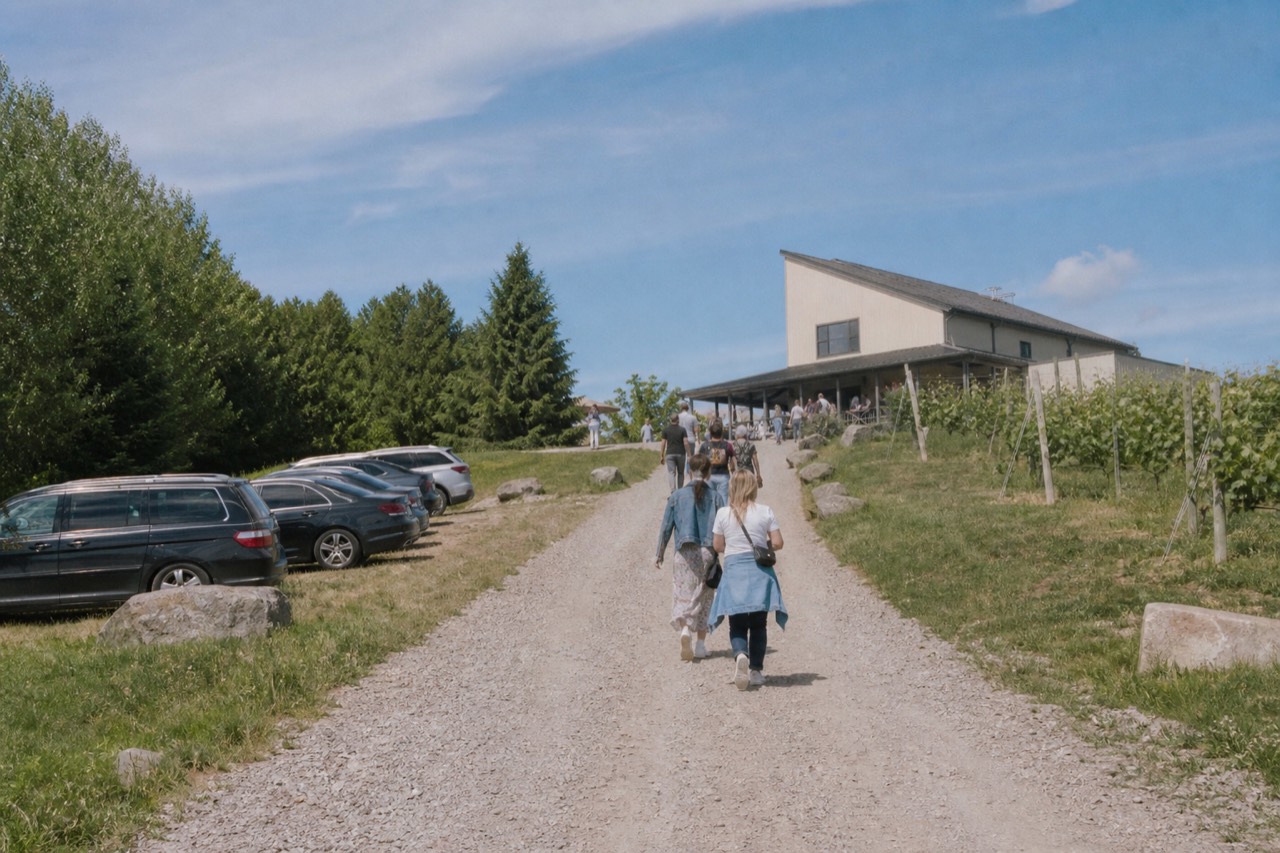
Start with the practical reality of the ground. Old Mission Peninsula is no more than three miles wide at any point and runs roughly 19 miles north from Traverse City, with wineries strung along Center Road and its side lanes. Leelanau is bigger, hillier and windier. In both cases, the last fifty feet between the vehicle and the tasting room door is very often gravel, grass, or a mix of both. Dark-wash jeans handle that without complaint. Light-colored suede sneakers do not.
What Should You Wear For Each Tour Format?
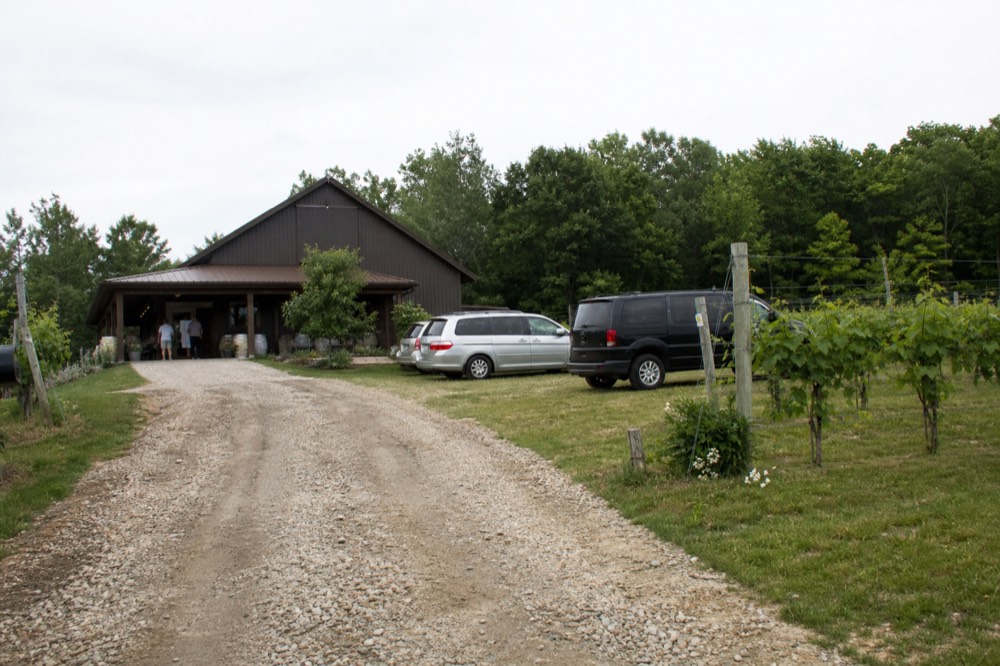
The format you book matters more than the region you visit, because shuttle, SUV, bike and dinner tours each put different demands on the same pair of jeans. Shuttle and SUV tours let you dress for comfort, bike tours demand stretchy layers and closed shoes, and dinner tours call for something smart enough to sit down in. A shared shuttle day is a long, seated, walk-heavy outing with fees paid at every bar. An SUV tour is shorter, smaller and more comfortable from door to door. The bike tour is the only format where your clothing is genuinely part of the equipment. And a tour that ends with downtown food stops asks you to dress for a restaurant as well as a vineyard, which changes the top half of the outfit more than the bottom.
Here is the honest breakdown, tour by tour, using only what the listings actually say about themselves.
| Tour format | Example from the roster | What the day involves | What to wear |
|---|---|---|---|
| Shared shuttle, 4-5 hours | The Magic Shuttle Bus Old Mission 5-hour, from $79 per person | Up to 20 guests, multiple wineries, tastings paid at each bar | Jeans and comfortable closed shoes; layers for standing outside between stops |
| Semi-private SUV, 4-5 hours | Movie Stars Wine Tours non-bus tours, from $69 per person | Smaller group, pickup included, samples in the ticket | Jeans fine; you spend less time on your feet between stops |
| Bike tour, 4.5 hours | Old Mission bike and wine tour, from $199 for two riders | Cycling between stops with a support vehicle along | Athletic-friendly jeans or shorts; this is the one format where stretch matters |
| Wine and dine, 4.5 hours | Traverse City Wine & Dine Tour, from $79 per person | Two wineries then food stops downtown | Your cleanest jeans plus a layer; you end the day in restaurants |
The bike tour deserves its own word, because it is the exception that proves the page. Two riders, four and a half hours, a support vehicle tagging along, and a route across a peninsula that, again, is never more than three miles wide. You are not racing, but you are pedaling. Rigid raw denim on a bike saddle for half a day is a choice some people regret. A pair with stretch, or a switch to something athletic, is the single smartest clothing decision on this entire list. Beyond that, the same rules as every other format apply: closed shoes, a layer for the wind, and nothing you would cry over if a tasting pour goes sideways.
The dinner-ending tours flip the equation. The Wine & Dine format spends its first half at two Old Mission wineries and its second half at food stops in downtown Traverse City, which in 2026 is a serious food town, more on that below. Downtown after wine country is still casual by big-city standards, but it is the part of the day where a crisp shirt over the same jeans reads well. You are dressing for two audiences: the vineyard and the restaurant.
Whichever of those four formats you lean toward, the clothing logic stays the same at the bottom and changes at the top. Jeans and closed shoes carry every row of that table. What you add over them, a windbreaker, a sweater, a nicer shirt, is where the formats genuinely diverge, and where a little planning pays off on the day.
Does The Season Change The Answer?
Yes, the season changes nearly everything except the jeans themselves. Traverse City sits on the 45th parallel, so weather between May and October can swing from cold rain to 80-degree sun, sometimes within the same week. What you pair with those jeans, from layers to footwear, should shift with the season and the forecast. The jeans stay constant through the whole touring year. The layers, the outer shell and the footwear are what you adjust, and they matter more here than in warmer wine regions. Harvest runs mid to late September through October, and tasting rooms are busiest in October when harvest and fall colour overlap, so that is the month most visitors are actually dressing for.
| Season | Conditions around the bay | What to add over the jeans |
|---|---|---|
| Late spring, May to June | Cool mornings, wind off the water, possible rain | Light jacket, water-resistant outer layer, closed shoes |
| Summer, July to August | Warm days, strong sun on exposed ridges and patios | Sunglasses, hat, lighter top; sun protection matters more than warmth |
| Harvest, September to October | The busiest month; wind, rain, then colour-season cold snaps | Warm layer plus windproof shell; the bay keeps peninsulas milder than inland but the ridges still bite |
| Winter events | Ice wine season, picked frozen from late December into January | Full winter kit; you are walking from parking to door in snow |
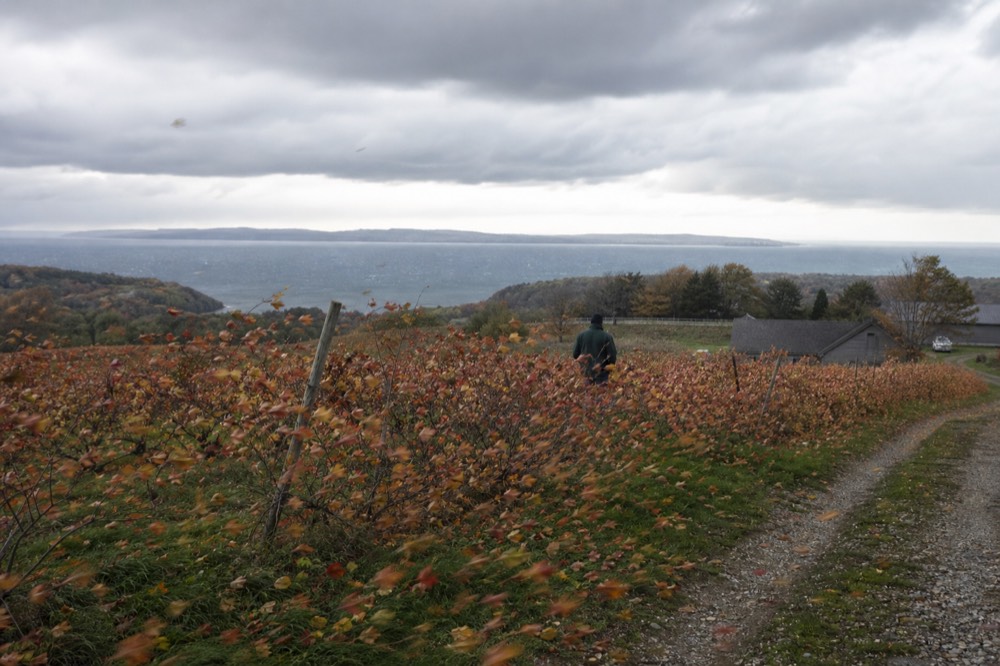
The wind is the thing visitors underestimate. Several of the best tasting-room patios on both peninsulas sit on ridges or open slopes with a clear view over Grand Traverse Bay, and a view like that comes with unbroken wind off the water. Traverse City Tourism's own colour-tour guidance notes that air off Lake Michigan keeps the peninsulas insulated, which is the same mechanism that lets grapes ripen here. It moderates the temperature, it does not calm the wind. A packable windbreaker over jeans and a sweater is the single most useful garment on a fall wine day in this region.
Footwear is the second. The advice is boring and correct: closed-toe shoes with a sole that grips. Sandals and gravel do not mix, heels and lawn patios do not mix, and white sneakers and October mud definitely do not mix. Every format in the table above involves at least some standing and walking on unpaved ground, and the five-hour days involve a lot of it.
Do Any Traverse City Wineries Or Tours Actually State A Dress Code?
No. None of the Traverse City wineries or tour operators reviewed here publish a dress code, footwear rule, or fragrance policy on their own websites, and none of the area's tour listings state one either, so visitors planning an outing should not expect any official guidance on what to wear or avoid. That is a negative finding, and it is stated here plainly rather than papered over with invented etiquette. The only clothing-adjacent rule any listing carries is the age rule: every wine tour states it is not suitable for people under 21. Everything else you have read about wine-tasting dress expectations is general internet advice, not local policy.
This matters because plenty of online guidance about "what to wear to a wine tasting" implies there are standards to violate. In this region, there are not. The Old Mission Peninsula Wine Trail's own materials describe ten wineries on a rural peninsula; the Leelanau Peninsula Wine Trail describes itself as home to over 20 award-winning wineries spread across a whole county. Neither trail, and none of the individual member rooms named in tour itineraries, such as Chateau Chantal, Bowers Harbor, Brys Estate, Bonobo, Mari Vineyards, Black Star Farms or Shady Lane Cellars, publishes anything telling you what to wear. The culture is Midwest practical: come as you are, wear shoes that work outside.
The one piece of published local guidance that touches on tasting-room norms is about money, not fabric. One Traverse City tour operator, Up North Rides, publishes tipping guidance suggesting $5 to $10 per person for a standard tasting at area wineries and 15 to 20 percent for private or elevated experiences, on its own tipping etiquette page. That is one operator's published advice, not an industry standard, but it tells you the tone of the region: the etiquette questions people actually ask about here are practical ones. If you want the fuller money picture, the site's guide to what Traverse City wine tours cost breaks down every fee.
There is also a legal wrinkle worth knowing, and it affects one specific format. Michigan's open-container law, MCL 257.624a, bans open alcohol in a vehicle's passenger area, with an exception in subsection (4) for passengers in a chartered vehicle authorized by the state transportation department. That is why the shuttle and SUV operators can advertise drinking on board, and why a hired designated driver at the wheel of your own car cannot rely on the same exception. It has nothing to do with jeans, and everything to do with why the chartered formats feel relaxed: the rules of the vehicle are already settled. The site's guide to getting around Traverse City wine country covers the full transport picture.
One last note on that age rule, since it is the only dress-adjacent policy that exists: it follows Michigan drinking law, including the zero-tolerance threshold for drivers under 21, and it applies to every tour format in this article without exception. So the complete list of clothing- and conduct-related rules you will encounter on a Traverse City wine tour is short: be 21 or over, and wear whatever you like.
What About The Bike Tour Specifically?
The Old Mission bike and wine tour calls for clothes that work on a bike first: stretch denim or athletic bottoms that let you pedal freely, a real shoe with grip for the pedals, and a layer you can shed as you warm up. Aim for casual pieces that ride well rather than stylish pieces you have to fight. The tour runs four and a half hours for up to two riders at $199 for the pair, with a support vehicle along for the route. That support vehicle is doing quiet work for your wardrobe too, since it can carry a jacket you do not want to wear on the bike, along with anything you buy along the way.
Think about the sequence. You ride, you arrive, you taste, you ride again. Four and a half hours of that in Michigan means your clothes need to handle sweat, wind, sun and sitting at a bar, sometimes all within one hour. The riders who look happiest on this format are in clothes that could do a light workout. The riders who look least happy are the ones who dressed purely for the tasting room and discovered that a peninsula headwind does not care about the outfit.
Weather planning for this one is not optional. The bay moderates the air, but a summer afternoon ride and a late-September ride are different garments entirely. If you are building the whole day around it, the site's piece on the best time of year for wine tasting near Traverse City walks through the season, including why October is the busiest month in the rooms.
How Does The Evening And Dinner Context Change Things?
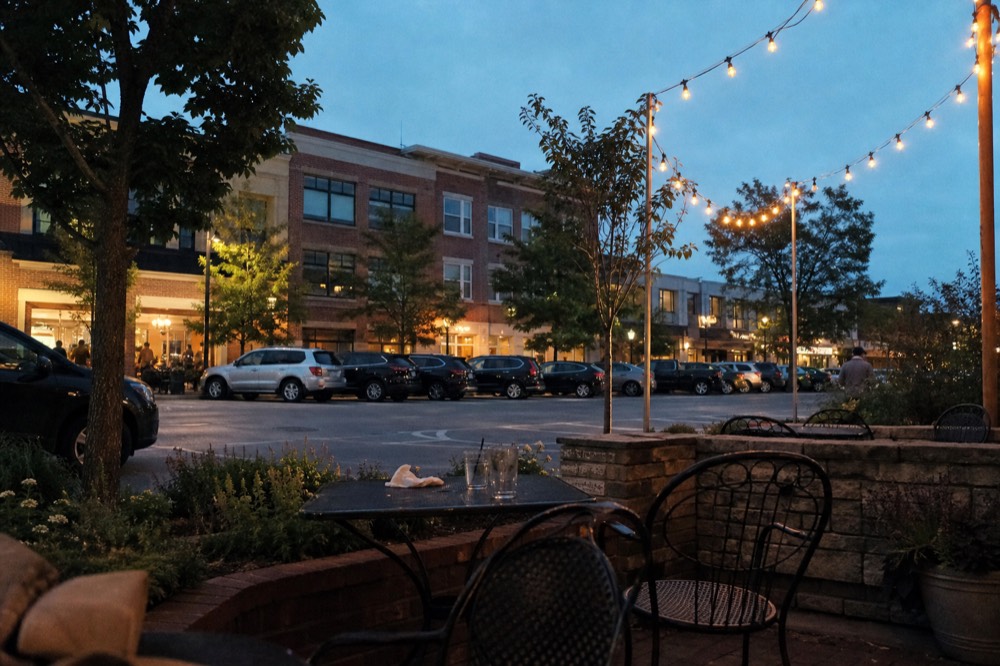
Evening and dinner tours shift the whole outfit logic: the jeans stay, but everything around them gets upgraded, because you are ending the day in downtown Traverse City, where the food scene now carries real national credibility, and showing up in dusty boots and a trail fleece would read as underdressed for a town that takes its restaurants seriously. Midwest Living named Traverse City its Food City of the Year in the 2026 Best of the Midwest Awards, and the city placed sixth for Best Small Town Food Scene in USA Today's 10Best Readers' Choice Awards for 2026. A restaurant town with that profile is still a jeans town, but it rewards the effort of a nicer top.
The sunset formats are their own micro-climate, clothing-wise. An evening tour that catches the sun going down over the bay will drop ten degrees of felt temperature the moment that sun goes, and the tasting patios do not move indoors on your schedule. The same windbreaker logic from the fall section applies, doubled. If you are weighing evening options generally, the site's guide to sunset wine tours around Traverse City lays out the evening roster.
One more practical note on the dinner formats: the Wine & Dine tour is a newer listing with no reviews published yet, so there is no guest consensus to lean on about anything, dress included. The honest position on clothing for any new listing is the same as for the established ones: no stated dress code, so use the format table above and your own read on the weather.
What Do Guests Actually Say About Dress On These Tours?
Guest reviews of these tours focus overwhelmingly on the drivers, the scenery, and the wine, and almost never mention what anyone wore, which is itself the answer to this question. In other words, dress is simply not a talking point for guests on these tours, and nobody seems to feel it mattered to their experience. Across the most-reviewed products in this market, including the Old Mission 5-hour shuttle at 4.9 across 2,666 reviews and the non-bus SUV tours at 5 across hundreds more, there is no recurring dress complaint to report. People mention weather, occasionally, and wish they had brought a layer. Nobody wishes they had worn slacks.
That absence is worth taking seriously rather than glossing. In review-driven markets, if a venue or operator had a real dress expectation, guests would mention being surprised by it, positively or negatively. Here, nothing. The recurring practical regrets are the ones this page has already covered: thin shoes on gravel, no jacket on a windy ridge, and on the bike tour, clothing that does not move with you.
If you are the type who likes to plan from what other guests experienced rather than from general advice, the site's overview of the best wineries to visit around Traverse City is built from the same listings and itineraries, and it carries the same honest tone about what is known and what is not.
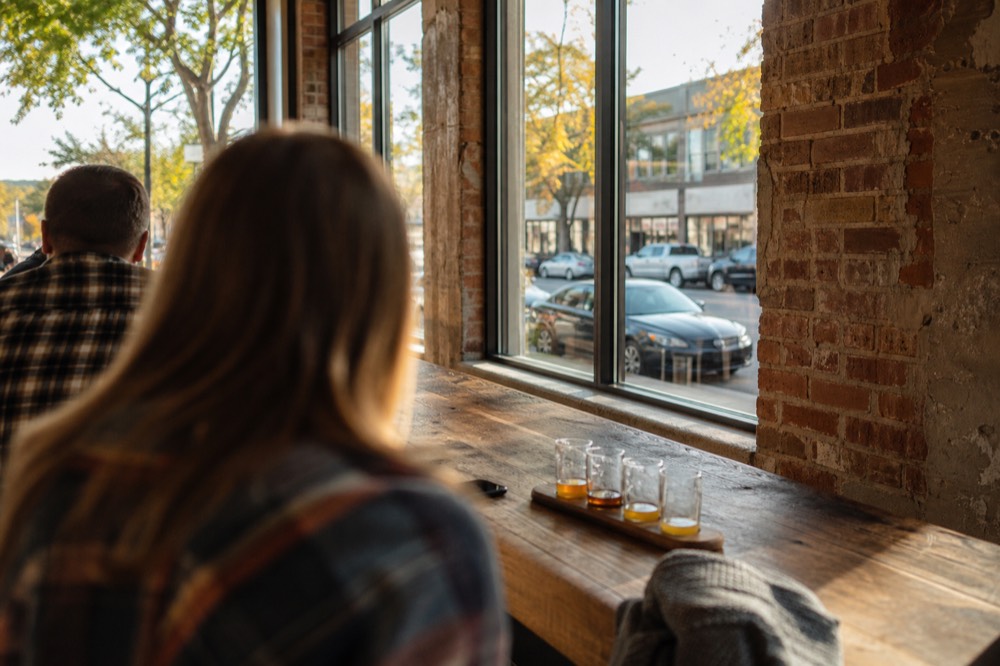
The short version of the whole page: wear the jeans. Bring the layer. Choose the shoes for gravel. And if your day includes a bicycle, let the jeans have some stretch in them. For everything else about planning a day on the peninsulas, Traverse City Wine Tours keeps a full set of guides, from the Old Mission versus Leelanau comparison to the budget guide.
Common Questions About Wine Tour Dress Codes
Can You Wear Jeans To A Wine Tour?
Yes. No winery or tour operator in the Traverse City area publishes a dress code, and jeans are the most common thing you will see in the tasting rooms. What matters more is footwear for gravel and grass, layers for wind off the bay, and clothes that suit your tour format, especially if it involves a bicycle.
Do any Traverse City wineries have a dress code?
No. None of the wineries on the Old Mission or Leelanau Peninsula wine trails, and none of the tour operators in the local roster, publishes a dress code, footwear rule or fragrance policy. The only stated rule on the tour listings is that they are not suitable for people under 21.
What shoes should you wear on a wine tour?
Closed-toe shoes with a grippy sole. The walk from vehicle to tasting room is often gravel or grass, patios can be lawn, and a five-hour tour day across three or four properties puts real miles on your feet. Sandals, heels and white sneakers are the three most regretted choices.
Is a wine tour cold even in summer?
It can be, on the patios. Several tasting rooms sit on ridges or open slopes with views over Grand Traverse Bay, and the wind off the water is constant. A packable windbreaker or warm layer is worth bringing from May through October, and it is close to mandatory for sunset and fall tours.
What should you wear on the bike and wine tour?
Treat it as light cycling gear that looks casual. The tour runs four and a half hours for two riders with a support vehicle along, so you are pedaling between tastings. Stretch denim or athletic bottoms, real shoes, and a layer you can stow in the support vehicle are the right call.
Do you need to dress up for the wine and dine tours?
No, but it is the one format where dressing up slightly makes sense. The tour ends with food stops in downtown Traverse City, a city with major food-scene recognition in 2026, so the same jeans with a nicer shirt reads well for the restaurant half of the day.